For funds and startup programs
Your founders tested everything to get here.
Who tests their biggest calls now?
In the lab, an idea met peers, papers and experiments before it counted. At the top, a big call meets the market first. That's the most expensive peer review there is.
They can. That's not the question.
You backed them because they’re among the best at what they do. That hasn’t changed. What changed is who checks their work: in the lab, everyone. At the top, almost no one.
The calls they make for the first time
- The first executive hire. Wrong, and it can cost a year.
- The pivot. Too early or too late, and the runway pays.
- The round: how much, from whom, on what terms.
- The cofounder conversation that keeps getting moved.
Each one is made once. You hear how it went at the next board meeting.
Why they can't test these with you
You sit on their board, so they edit what they bring you. That’s normal. Their team reports to them. Their mentors share what worked for them. All of it helps. None of it tests the founder’s own call with nothing at stake.
What a sparring partner does
A sparring partner tests a leader’s call until they know whether it holds, then hands it back. The decision stays theirs, and so does the credit.
If a founder’s call is about their investors, I’m still on the founder’s side. That’s the only way this works, and it’s what you want too.
How it works with your fund
- You see the big calls coming first: a round closing, a first executive hire, a pivot, an offer. That’s the moment to introduce me, to the founder or to a leader they’ve just hired.
- The founder decides whether to work with me. There’s no obligation.
- Before you commit: three sessions over about six weeks, built around one big call and everything it touches. $2,500.
- If you’d like to offer it across your portfolio, let’s talk.
- You hear nothing from me about what a founder brings. If it helped, they’ll tell you.
To introduce a founder, send them to daspotenzial.com/book, or copy me into an email at sascha (at) daspotenzial.com.
Who's across the table
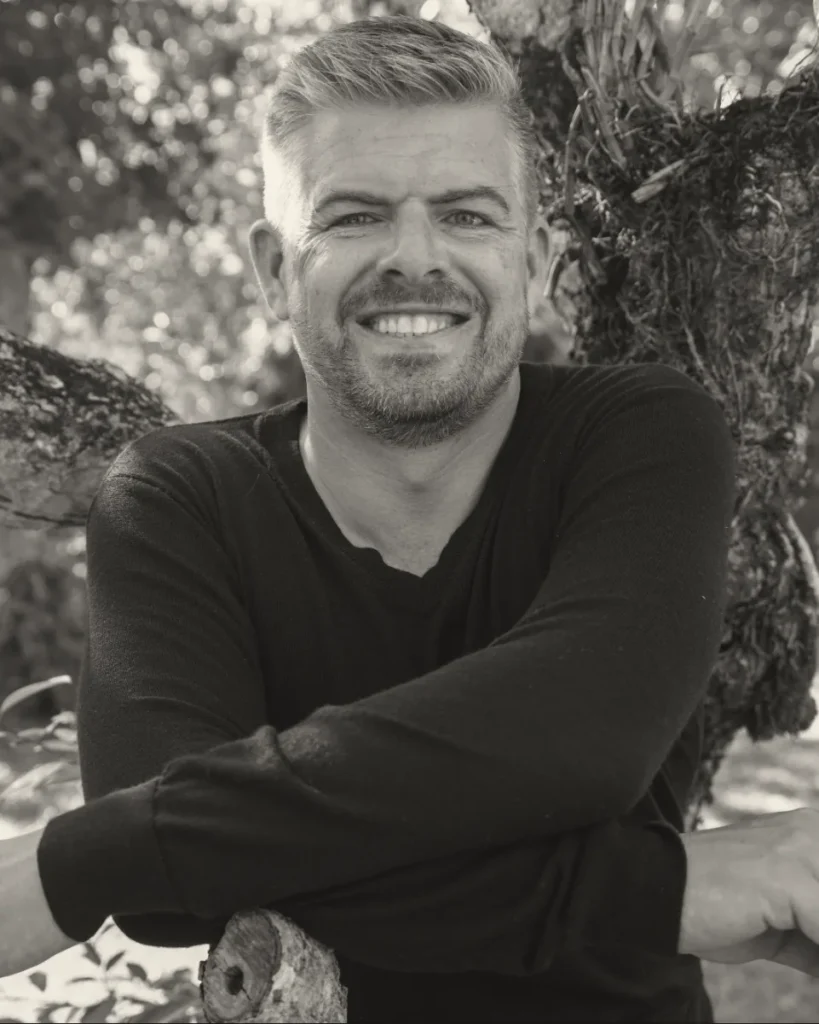
For twelve and a half years at Google, I sat in the middle: engineering, product, sales, legal, clients. I never made the final call. My job was to ask the question nobody in the room was asking: if Y already works, why can’t X?
It started in Dublin, at Google for Entrepreneurs, where founders kept pulling me aside to think through their hardest calls. Later I sparred with founders across Africa, Europe and Latin America working on the UN’s Sustainable Development Goals.
In 2023, I was one of 15 out of more than 2,000 to win the Global Coaching Excellence award in Google’s peer coaching program. One question I asked there freed up more than half a billion dollars.
“He doesn’t give you standard advice. He challenges your thinking and helps you see things you might otherwise miss.”
Martin, CEO, former Googler
Questions funds ask first
We already offer coaching to our founders.
Good. Coaching works on the leader, usually over months. Sparring tests one live decision, then hands it back. Plenty of leaders use both. I spent years in Google’s peer coaching program, so I’m a fan.
Have you run a company?
No. Their mentors have run companies like theirs. My job is different: making sure the call a founder makes is their own, and that it holds.
What if it doesn’t help?
The first conversation is free. If after the first paid session we’re not the right match, the money comes back.
What do you report to us?
Nothing. What a founder brings stays outside the building.
Bring one of your own calls.
Thirty minutes. Free. No pitch at the end.
Not ready to talk yet? Start with the field notes. They open with a 10-minute audio briefing, including the capacity trap that turns founders into bottlenecks.