I don't have a side to take. That's the point.
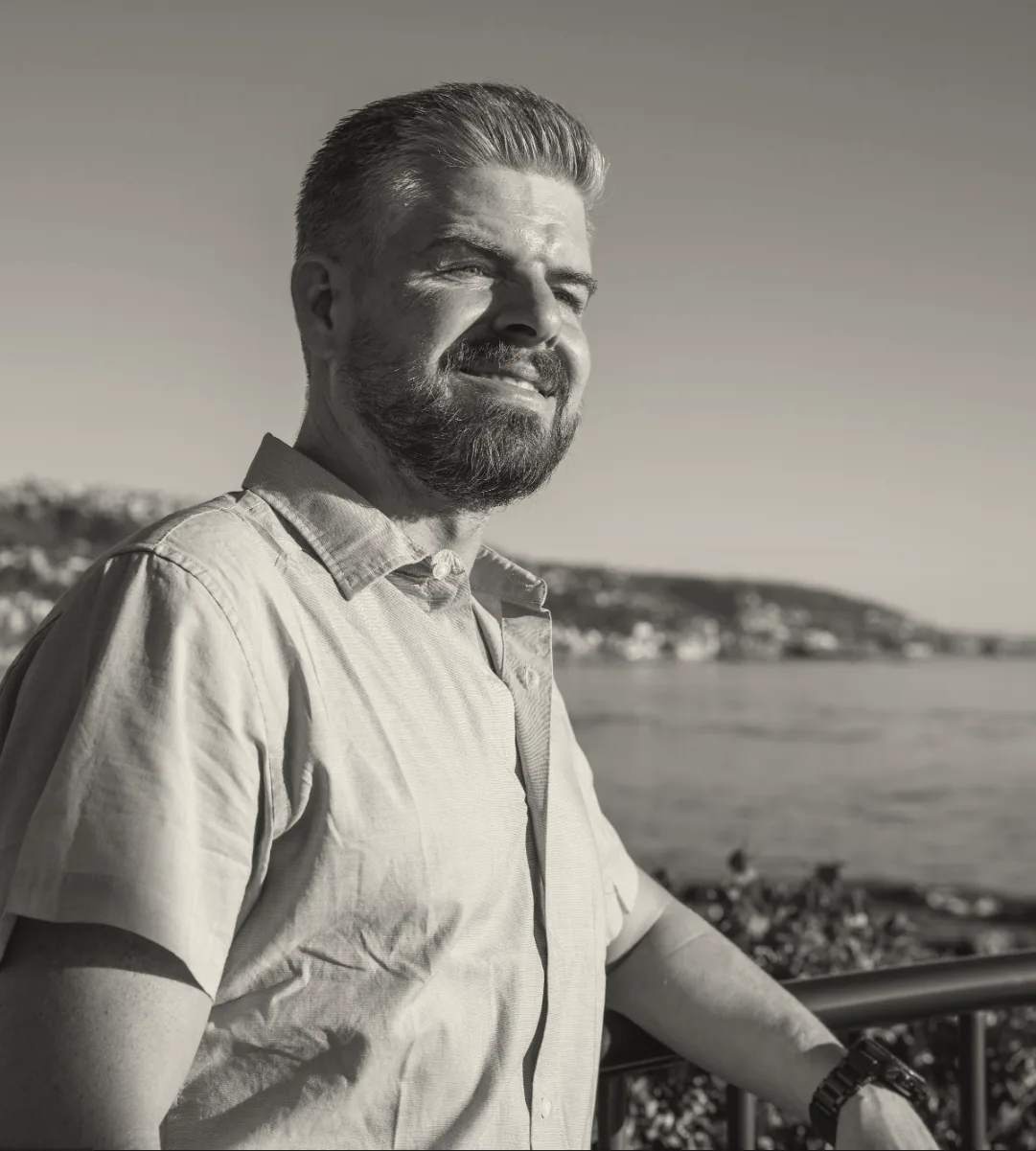
Twelve and a half years at Google, a lot of time on and under the water, and a habit that started by accident: helping people think through the calls that matter.
How it started
It started in Dublin, as a side project. I was organizing events for Google for Entrepreneurs, and founders kept pulling me aside to think through their problems. I didn’t plan it. It just kept happening.
Over the years, more people asked. Not because I had the answers, but because I didn’t take sides. My family hasn’t always seen that as a strength. Some people would really just like you to agree with them.
At work, it turned out to be the useful part. When you don’t need to be right, you can see a problem from more angles than the people inside it.
The one I got wrong
My biggest miss at Google wasn't a decision. It was all the rooms I didn't walk into.
I barely networked. I thought my role didn’t need it. Looking back, it cost me reach inside the company and outside it. These days I walk into those rooms on purpose. I don’t enjoy every one of them, and I learn something in most.
Was it wrong back then? It was the best call I could make with what I knew. That’s true of most decisions. The real mistake is refusing to adjust once you know more. Take a wrong exit on a road trip, and you just turn around at the next one.
Risk has to earn its place
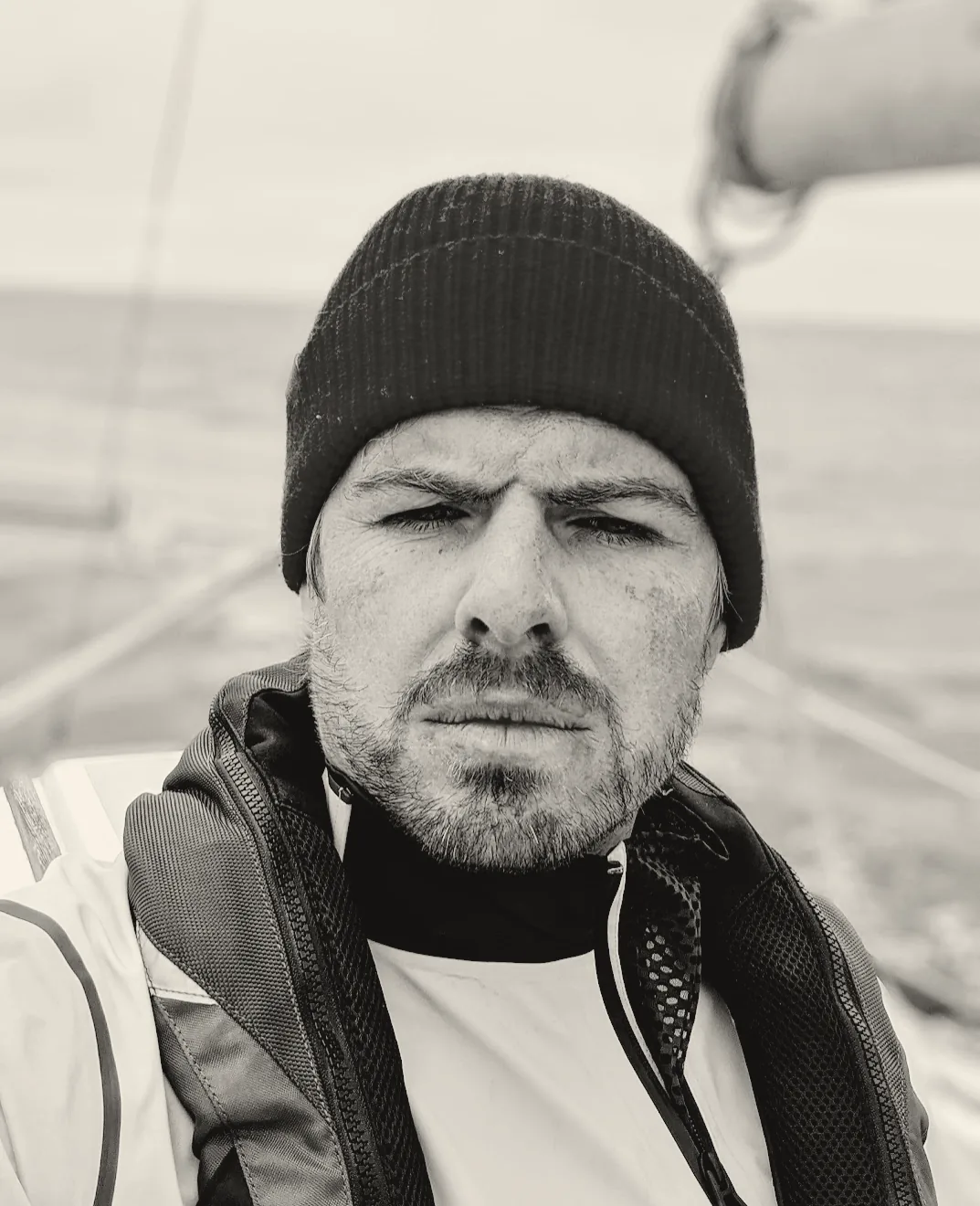
I love the water, the mountains, and anywhere I haven’t been yet. I also wear a life vest.
I’ll take a risk when it’s worth something, and never just to feel it. Sailing far, yes. Climbing without a rope, no.
It’s the same question I bring to the calls leaders make: what does this risk actually buy you?
The German in me
I notice walls that aren’t quite straight. Doors that hang a little off. Power outlets installed at a slight angle. I’m not a perfectionist, and most of the time it really doesn’t matter.
But I always notice when someone took care. You’ll get that from me too.
Where this is heading
Most sparring happens by video, and that works well. My favorite conversations happen outside, though: next to a fire, on a boat, after a dive, with the thinking spread across a whole day.
That’s where this practice is heading. Days at sea and on the trail, for a handful of leaders a year.
The plain facts
Twelve and a half years at Google, working with leaders from L4 to L8 across Product, Engineering, Sales and Technical teams.
In 2023, one of 15 people out of more than 2,000 to receive the Global Coaching Excellence award in Google’s peer coaching program.
One question I asked there, one nobody else had asked, freed up more than half a billion dollars.
Bring the decision.
Not ready yet? Start with the audio briefing, made for the walk between meetings.